

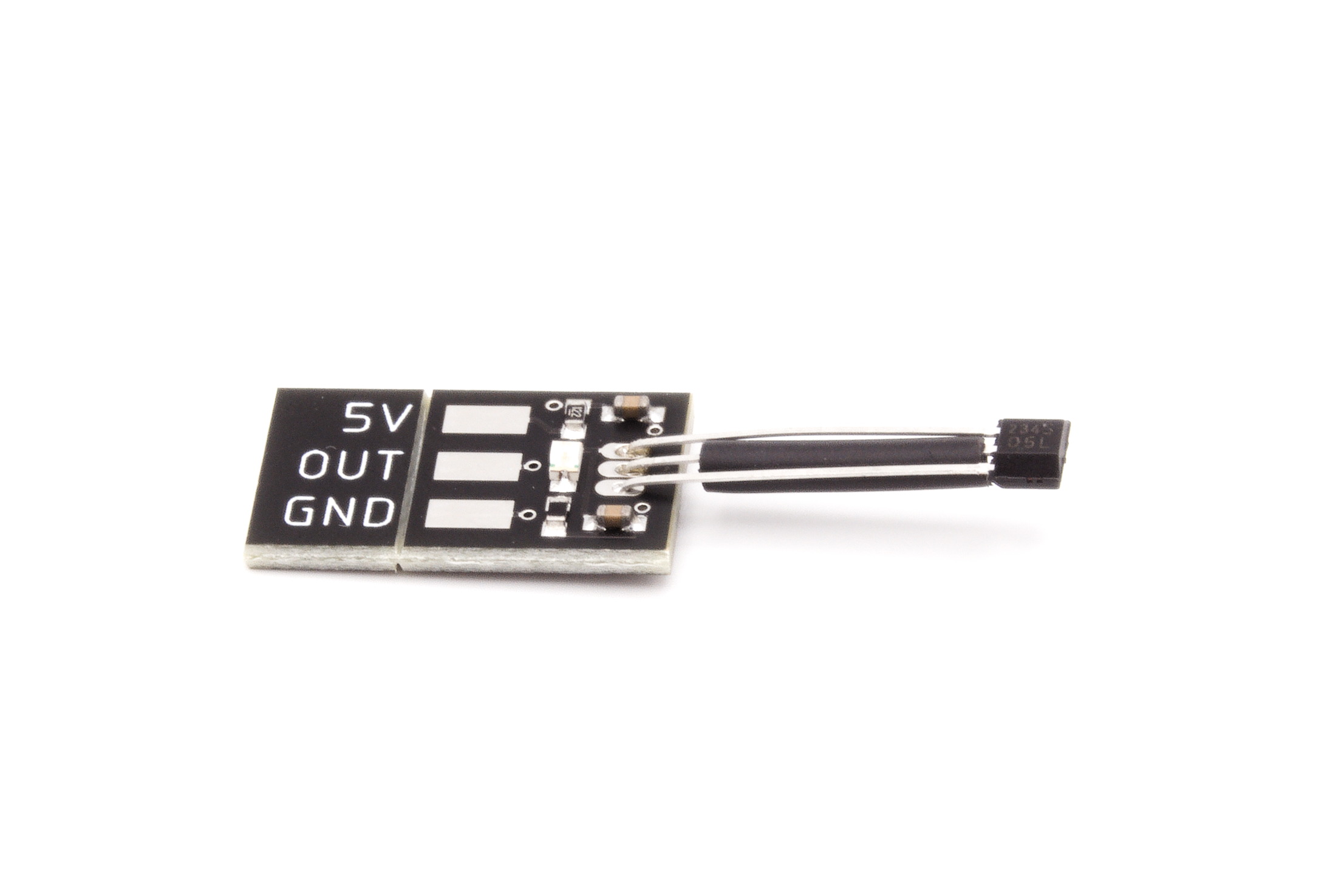
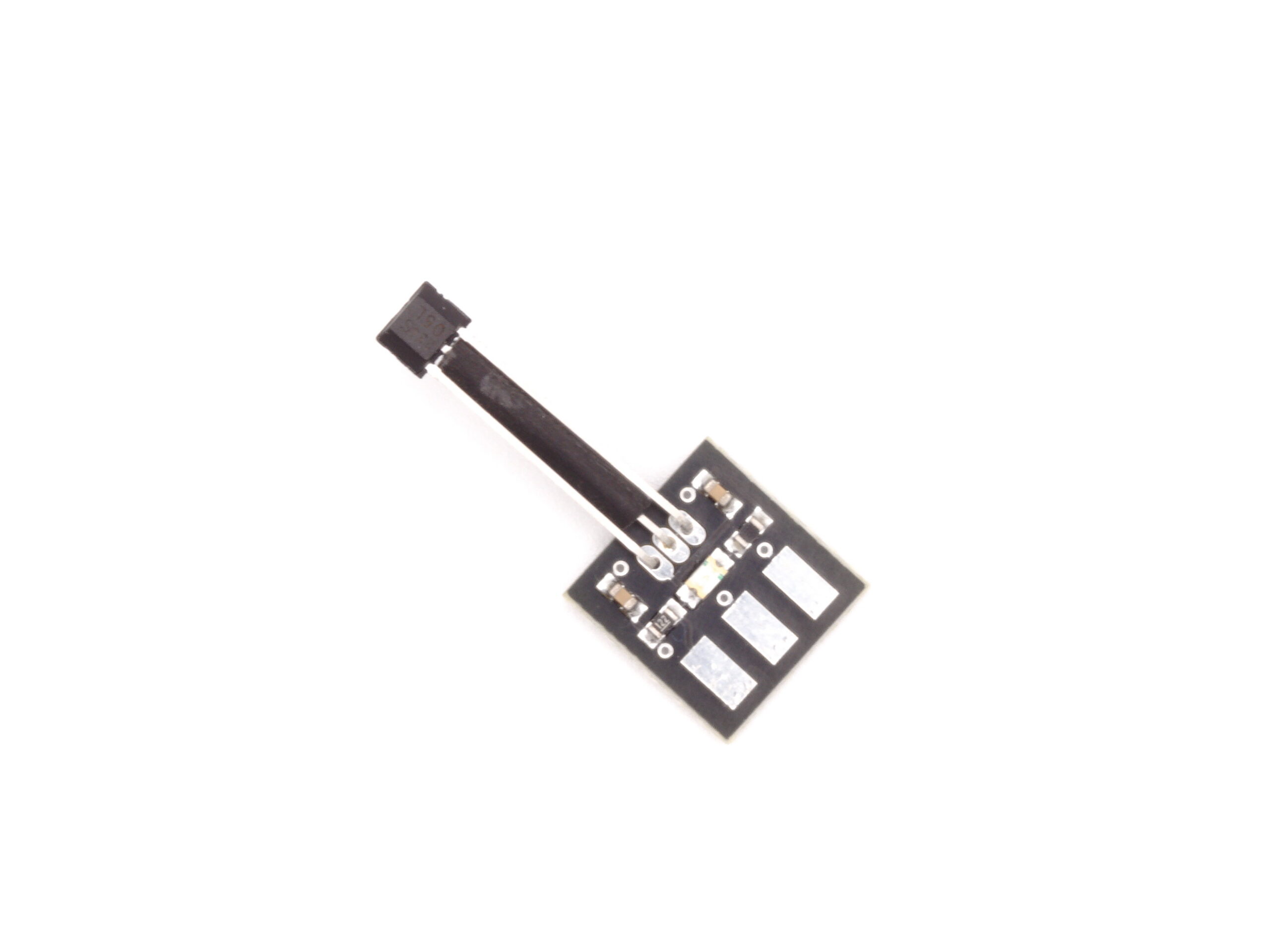
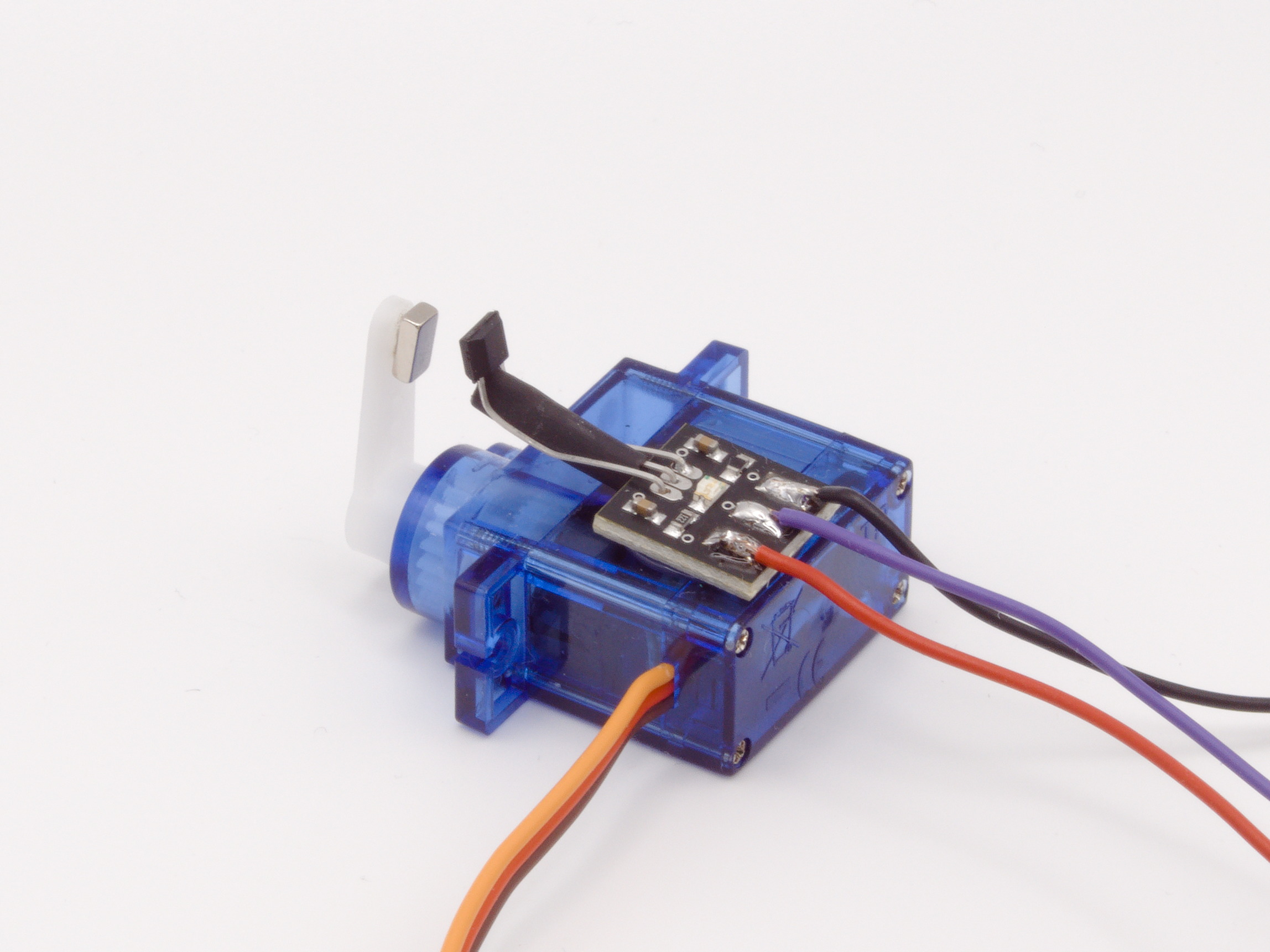
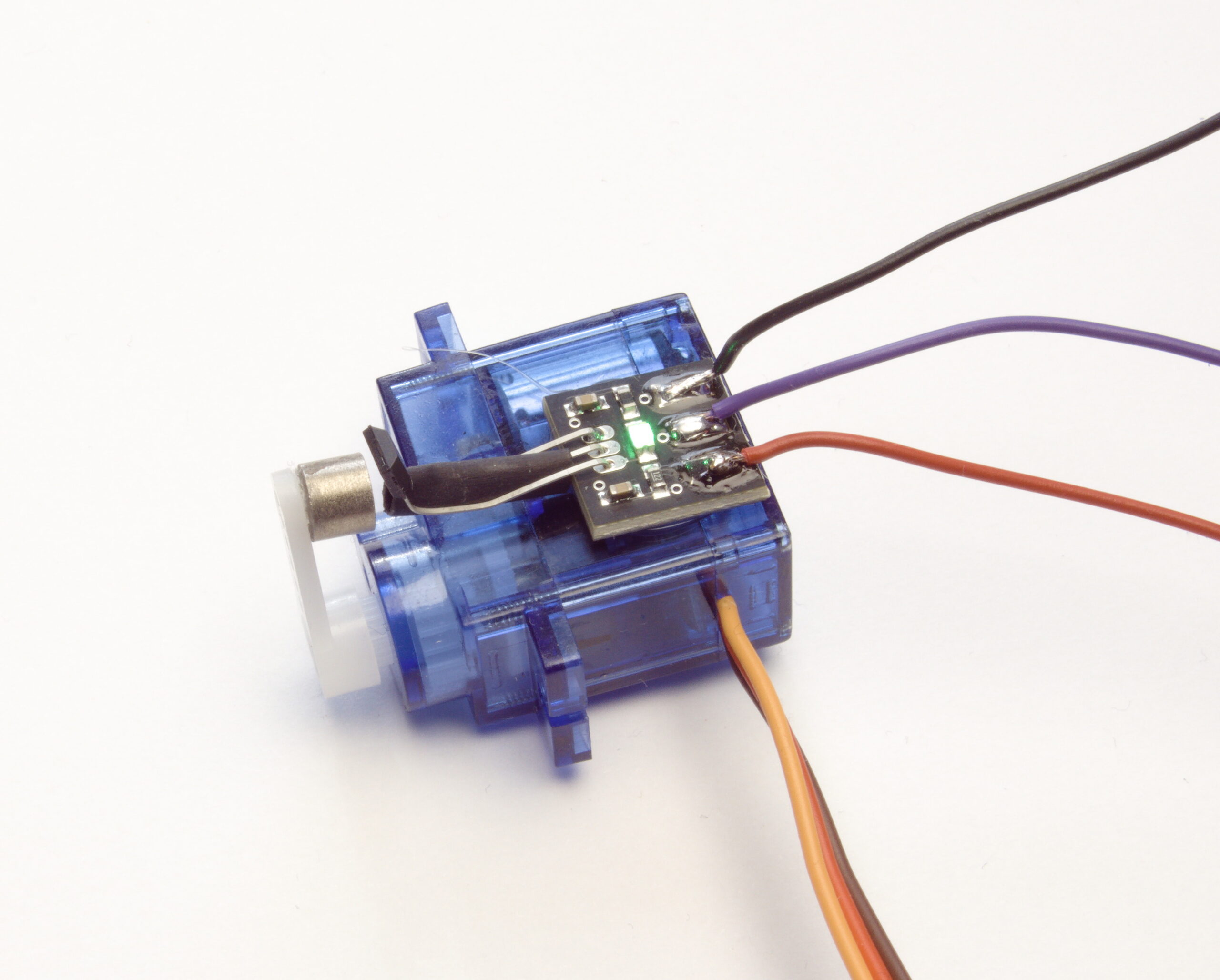
How the Turnout End-Position Sensor works
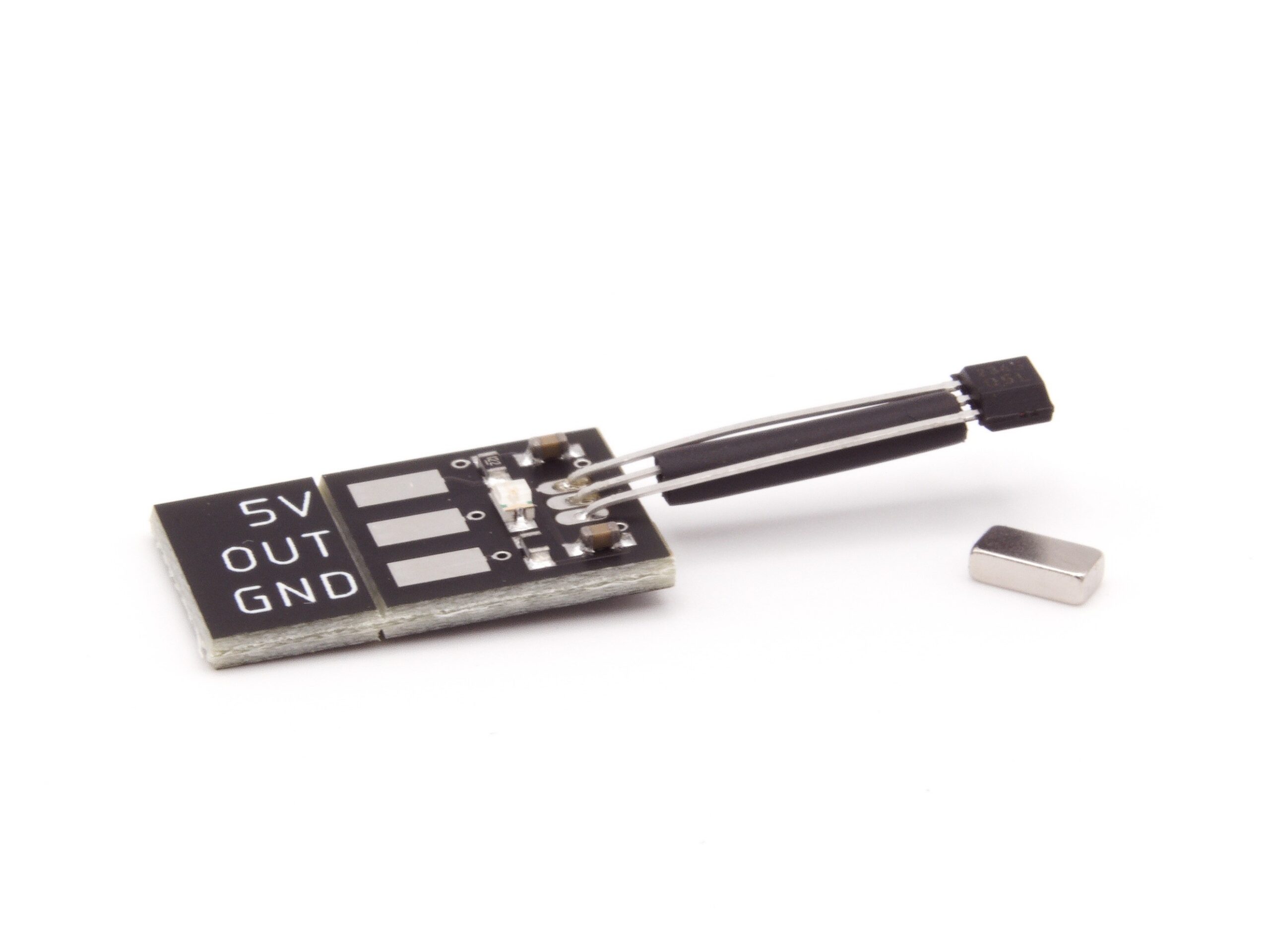
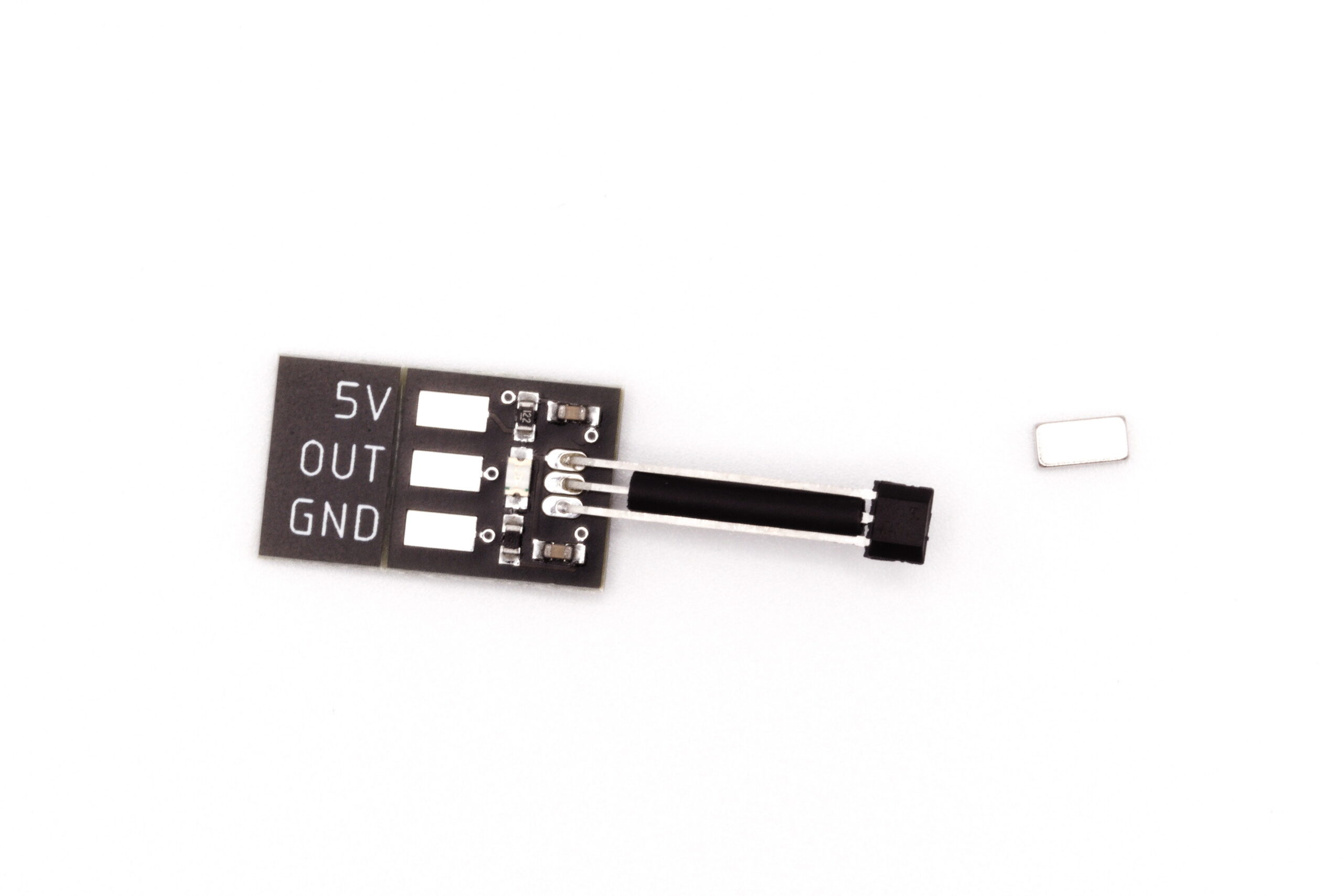
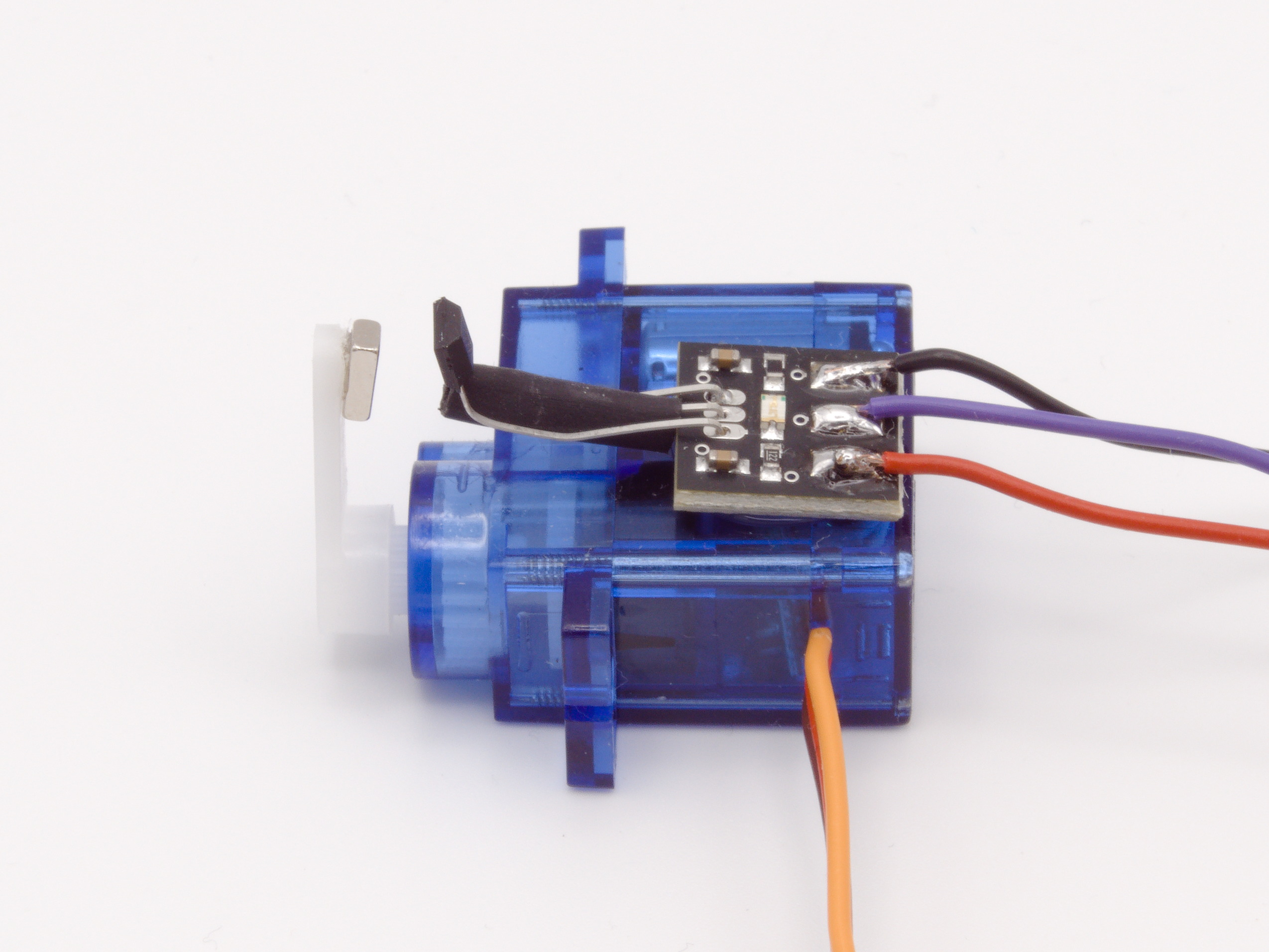
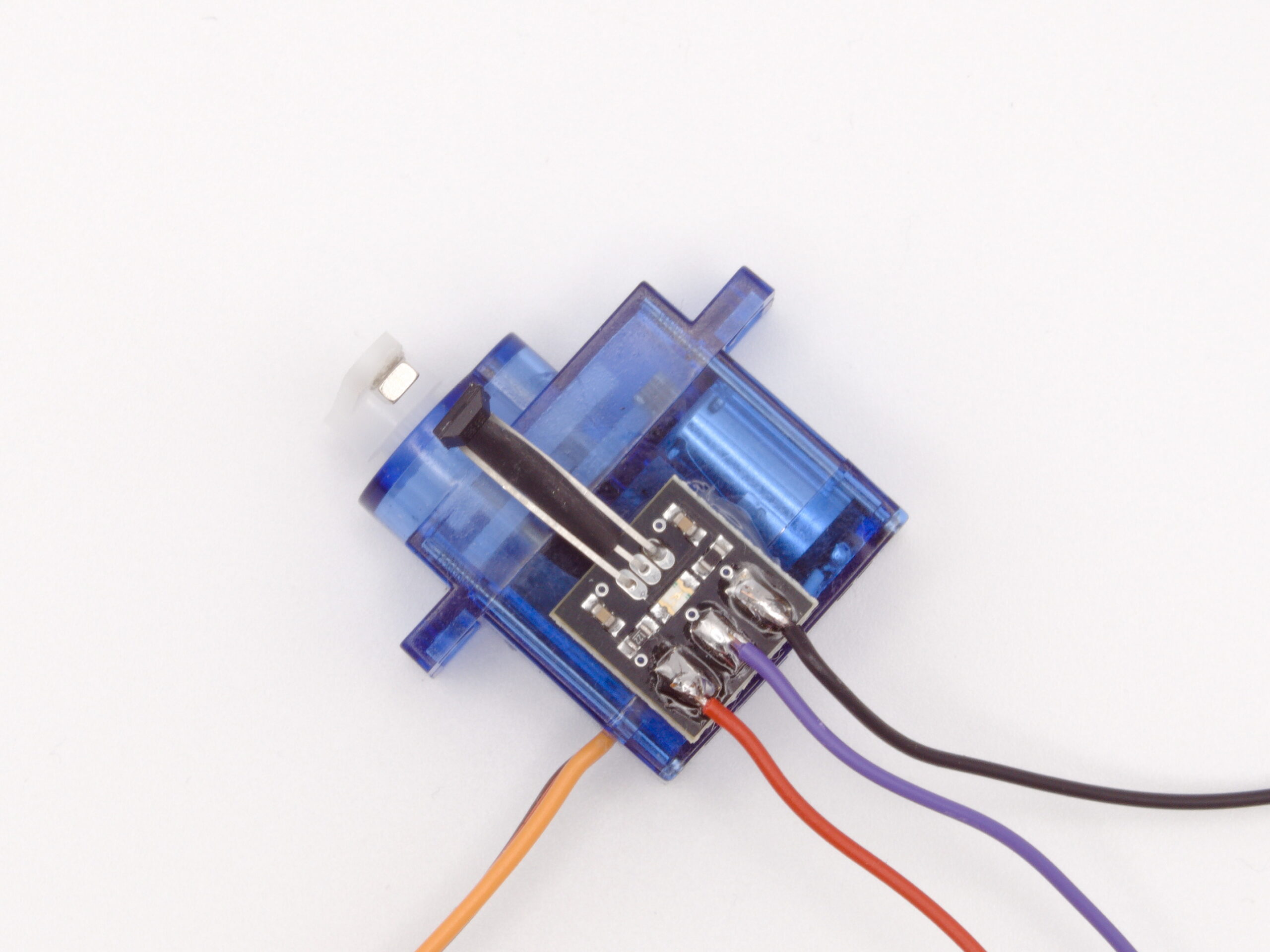
Unlike microswitches or limit switches, the end-position sensor works without any mechanical force: a Hall sensor detects the magnetic field of a small neodymium magnet attached to the servo arm or another moving part of the motor. This puts no additional load on the turnout motor. Together with model railway control software, end-position detection ensures safe operation.
The sensor is supplied with 5 V and its output is connected to an input of a feedback module – on the JT Digital s88-N feedback module, the 5 V supply is available directly. The green indicator LED shows when the sensor triggers, which makes alignment easier. For a particularly space-saving installation, the board can be shortened to 12 mm at the pre-perforated break point.
What else you need
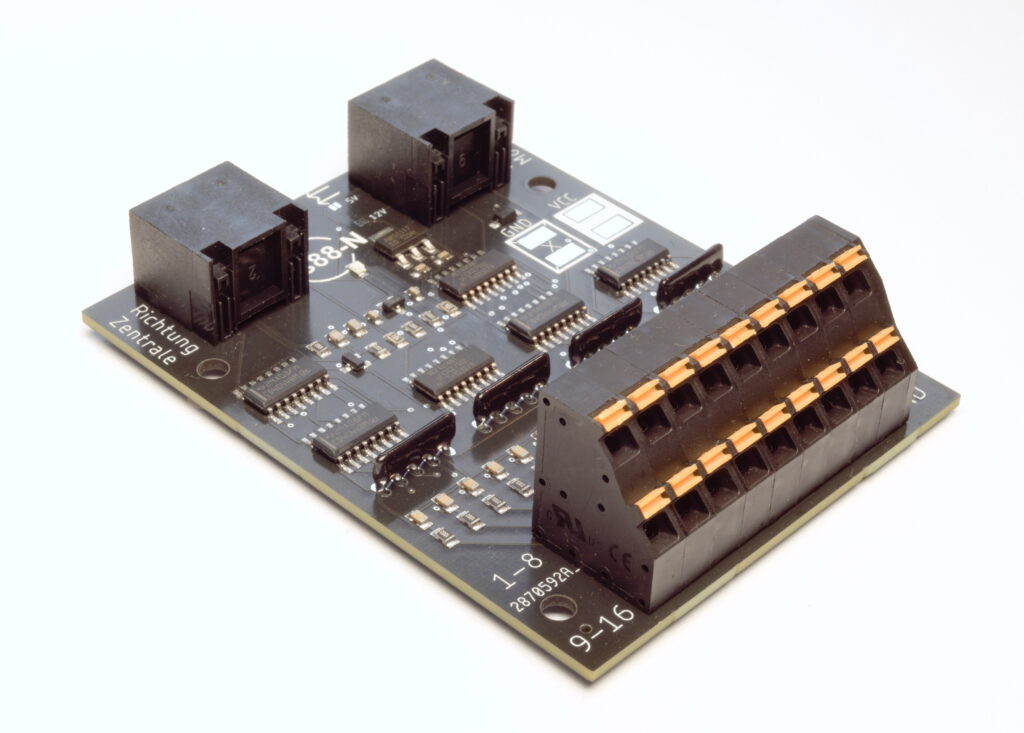
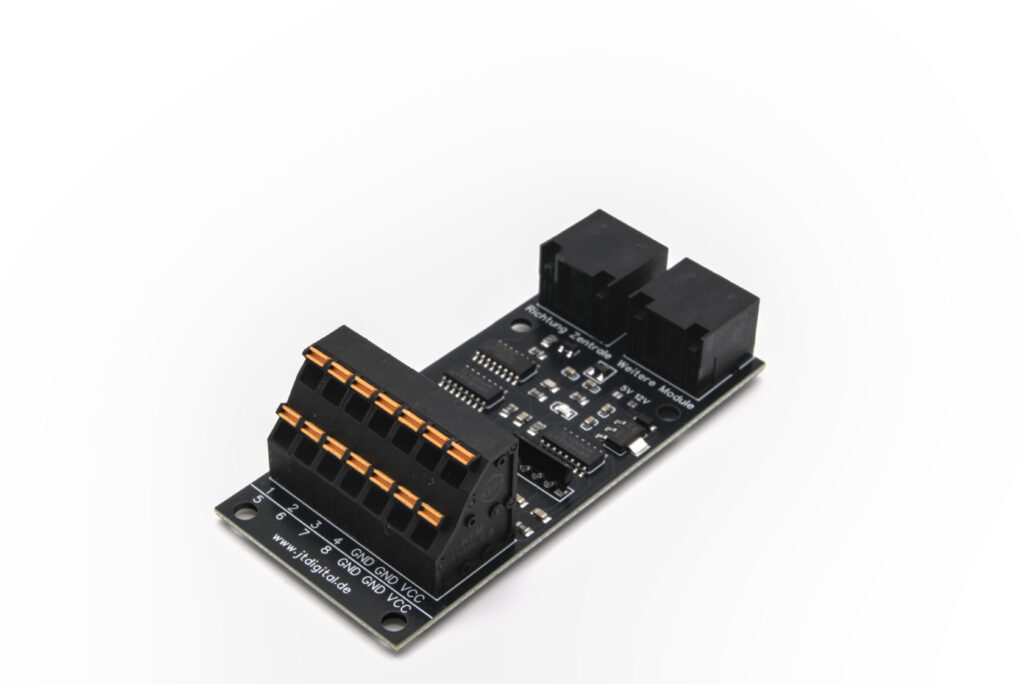
- an s88-N Feedback Module – it also provides the 5 V supply
- for both end positions: a second end-position sensor on the other side of the servo
- for polarising the frog: the Relay Board for Frog Polarisation
Frequently asked questions
Do I need one or two end-position sensors per turnout?
For typical applications, monitoring one end position is enough. If you want both end positions reported, mount a second end-position sensor on the other side of the servo.
The LED does not light up – what should I do?
Turn the magnet over. The Hall sensor only responds to one polarity of the magnetic field.
Can I use it to polarise the frog?
Yes, together with our Relay Board for Frog Polarisation. This requires an external 5 V DC supply.